
Open Water Swimming — Safety, Technique, and Where to Swim
Everything you need to know about joining open water swimming groups across the UK, from safety gear to finding local communities
Why Open Water Swimming Is Different
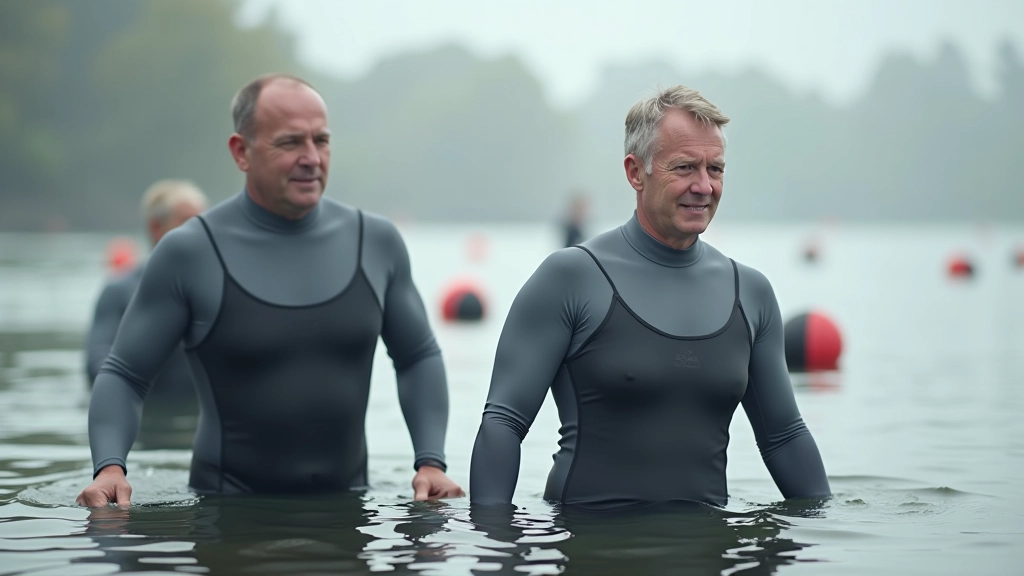
Open water swimming isn't just laps in a pool with better scenery. It's a completely different experience — the water temperature shifts, currents push against you, and you're navigating by landmarks rather than lane lines. For adults in their 40s and 50s, it's genuinely rewarding once you understand what you're doing.
You'll find groups meeting year-round at lakes, rivers, and coastal spots across the UK. Some swimmers do it for the challenge. Others love the social side — there's something about standing in a cold lake with a group of people all doing the same mad thing that creates real community. The key difference? You can't wing it. Proper preparation keeps you safe and actually makes the swimming better.
Essential Safety Gear You Actually Need
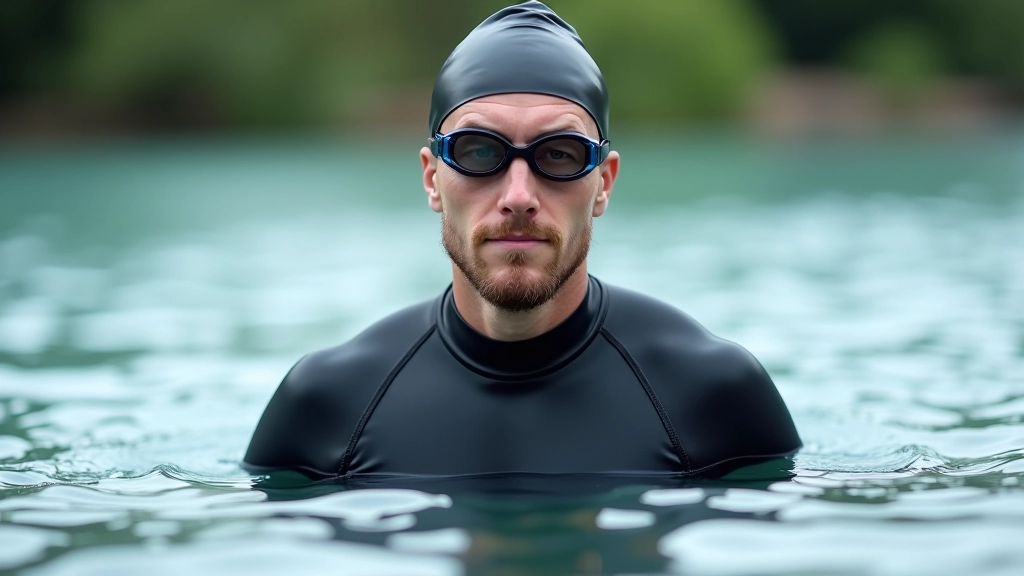
Let's be straight about this: a wetsuit isn't optional, it's essential. Water temperatures in the UK rarely climb above 17°C even in summer. Your body loses heat rapidly in cold water, and you won't realize how compromised you're becoming until hypothermia sets in. A 3mm or 5mm wetsuit depending on season keeps you warm enough to think clearly and swim properly.
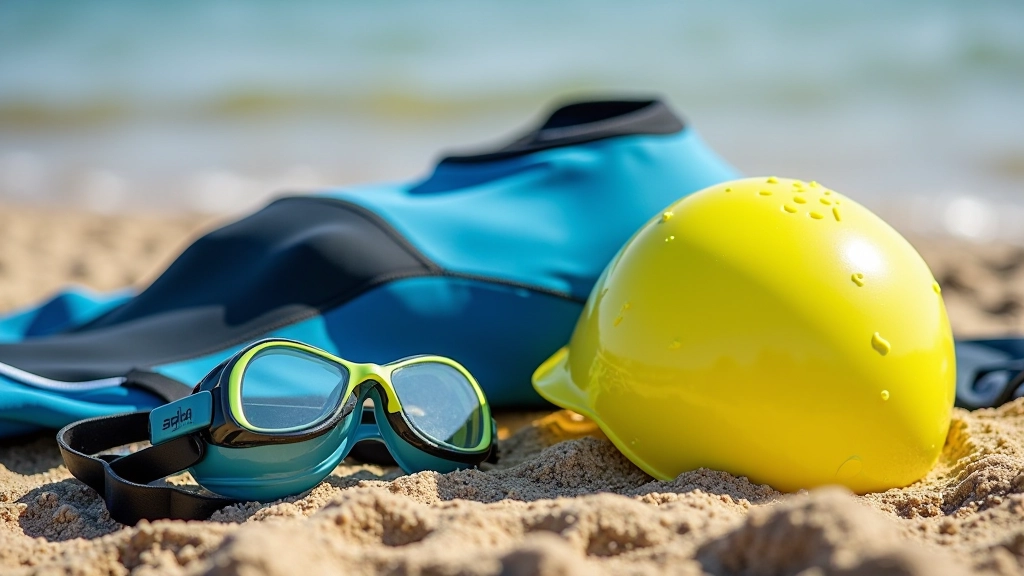
Beyond the suit, you'll need a bright swim cap — visibility matters when you're in open water. Goggles should be anti-fog and fit snugly. A tow float is non-negotiable for most UK open water groups. It's a small buoy you wear around your waist on a leash. It keeps you visible to boats and provides flotation if you get into trouble. Most groups won't let you swim without one, and honestly, they're right not to.
- Neoprene wetsuit (3-5mm thickness)
- Brightly colored swim cap
- Anti-fog goggles with secure fit
- Tow float with leash
- Rash guard for sun protection
Swimming Technique in Open Water
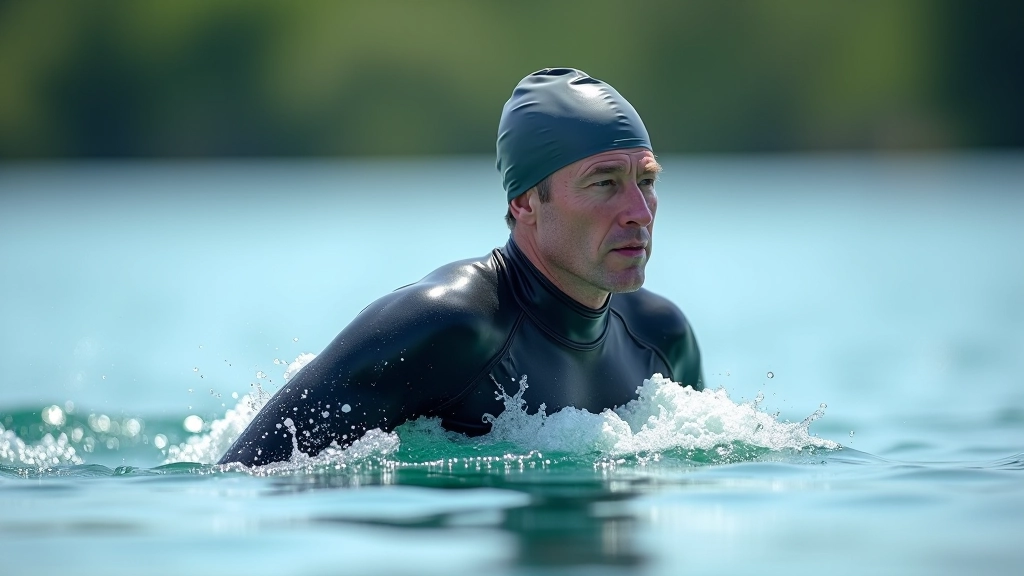
Your pool stroke won't work exactly the same way here. The water's moving, there's no lane rope to guide you, and you can't touch bottom. You'll develop a slightly higher cadence — more frequent, shorter strokes — to maintain control and stay aware of your surroundings. It sounds like a small thing, but it makes a real difference in how efficiently you move.
Bilateral breathing is genuinely important. That means breathing on both sides rather than just one. In open water, you need to see where you're going, check for other swimmers, and monitor your position relative to landmarks. If you only breathe to one side, you'll be constantly twisting to see the shore. Most groups suggest a 3-stroke pattern: breathe on your first stroke, skip the second, breathe on the third. It takes practice but becomes natural after a few swims.
Sighting — looking forward while you swim — prevents you from veering off course. Every 6-8 strokes, glance forward briefly to check your line. Don't lift your head up like you're trying to see over a fence. Just look ahead naturally as part of your stroke. Get this right and you'll swim straighter with less energy.
Water Temperature and Seasonal Swimming
UK water temperatures vary wildly by season. Spring brings 8-12°C water — cold enough that you'll feel the shock initially. Summer peaks around 15-17°C by late July and August. Autumn drops fast, back to 12-14°C by October. Winter is brutal, hovering between 4-8°C. Most swimmers stick with winter wetsuits year-round because even "warm" summer water at 17°C causes heat loss over time.
Cold water immersion has real physiological effects. Your breathing becomes faster and shallower. Your muscles lose power. Your mind gets foggy. The solution isn't toughing it out — it's respecting the conditions and using proper equipment. Many groups offer "winter" and "summer" swims with different start times and routes based on water temperature and daylight. Spring and autumn tend to be busier seasons because conditions are more moderate.
Pro tip: Never swim alone in open water. The "buddy system" isn't a guideline — it's the difference between a minor incident and an emergency. Most UK groups enforce this strictly, and you should too even if swimming informally.
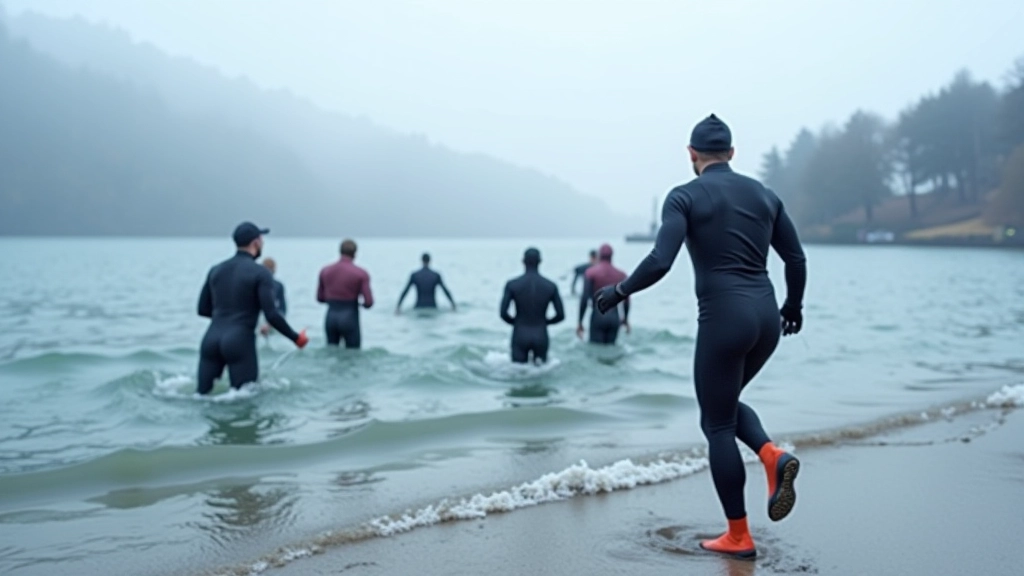
Finding Open Water Swimming Groups Near You
Active communities across the UK welcome swimmers of all levels
Lidos and Outdoor Pools
Seasonal outdoor pools operate spring through autumn. They're warmer than open water, less intimidating to start with, and excellent for building confidence before moving to lakes or rivers.
Local Swimming Groups
Search "open water swimming [your area]" or "wild swimming [county]." Most regions have established groups with regular meet-ups, safety protocols, and experienced leaders who know local water conditions.
Coastal Swimming
Beach and sea swimming groups operate year-round on UK coasts. Saltwater offers natural buoyancy and warmer winter temperatures in some regions. Check tidal conditions and beach safety before swimming.
Online Communities
Facebook groups and dedicated forums connect swimmers regionally. They share conditions, organize swims, and offer advice from experienced swimmers who know local spots intimately.
Formal Training Courses
Some swimming clubs and coaches offer open water courses specifically for adults. These typically cover safety, technique, and group swimming etiquette over 4-6 weeks.
Charity Swimming Events
Organized charity swims happen regularly across the UK. They're supported events with safety infrastructure, making them ideal for trying open water in a structured, supervised environment.
Practical Tips for Your First Open Water Swim
Start with a group rather than going solo. There's safety in numbers, and you'll get real-time guidance from experienced swimmers. Arrive early, chat with other swimmers, ask about conditions and the planned route. Most groups do a quick briefing before entering the water — listen carefully.
Get in gradually. Wade in slowly, splash water on your face and chest before fully submerging. Your body needs time to adjust to cold water, and rushing causes gasping and panic. Once you're in, take your time swimming. Don't try to keep up with faster swimmers. Stick with the group pace, stay aware of your position, and enjoy the experience rather than racing.
After the swim, get dry and warm quickly. Hypothermia doesn't stop immediately when you exit the water — it can continue for hours. Bring warm clothes, a towel, and ideally a hot drink. Many groups gather afterward, which is half the social benefit. You'll chat with people who understand exactly what you've just done, and you'll plan your next swim together.
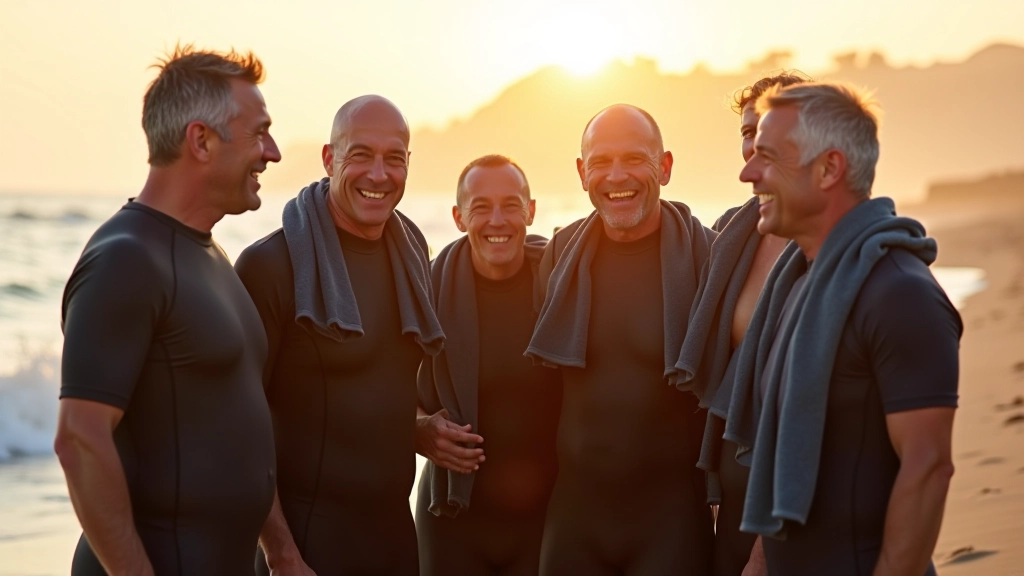
"First time I did it, I was absolutely terrified. Couldn't believe people did this for fun. But then about 10 minutes in something just clicked. You're floating in a lake, the sun's coming up, and you're surrounded by people who are all equally mad. It's brilliant. Now I'm out there every Saturday morning and wouldn't miss it."
— Margaret, 52
Ready to Take the Plunge?
Open water swimming doesn't require you to be an elite athlete. You don't need to be young or particularly fearless. What you need is proper equipment, realistic expectations about what cold water does to your body, and a group to swim with. Most UK swimming communities are incredibly welcoming to newcomers, especially adults who are taking it seriously and showing up prepared.
Start by finding a group near you. Attend a session as a spectator first if you're nervous — watch how experienced swimmers enter the water, hear how they talk about conditions, see how they handle themselves. Then book a swim. Bring your gear, arrive early, listen to the briefing, and take it one stroke at a time. You'll be surprised how quickly cold water becomes normal and how satisfying it feels to swim in a natural environment.
The communities around open water swimming are genuinely special. You're not competing, you're not training for a specific goal — you're just out there doing something challenging and rewarding with people who get it. That's worth the cold water and the early mornings.



Important Safety Notice
Open water swimming carries inherent risks including cold water immersion, currents, changing water levels, and underwater hazards. This article provides educational information only and isn't a substitute for proper training, supervision, or professional instruction. Never swim alone. Always check local conditions, weather, and water temperature before swimming. If you have health concerns or medical conditions, consult your doctor before beginning open water swimming. Follow all local rules and regulations regarding where and when swimming is permitted. Most importantly, swim with established groups that prioritize safety protocols and have experienced leaders present.